 EE / EUR

The Difference Between Water Repellent and Waterproof Materials in Barefoot Shoes
 Be Lenka

When choosing barefoot shoes for the transitional or winter season, it’s essential to pick materials that offer the right level of moisture protection. Water repellent or waterproof? Many people mix up these terms, which often leads to unrealistic expectations. For example, someone might wear shoes with a water repellent finish in heavy rain and assume they’re fully sealed. So how do you tell them apart? Let’s break it down.
Table of contents
- What does a water repellent material mean?
- What are the benefits of water repellent material?
- When should you choose water repellent material?
- What does a waterproof material mean?
- What are the benefits of waterproof material?
- When should you choose waterproof material?
- How do water repellent and waterproof materials differ in barefoot shoes?
- How to care for barefoot shoes depending on the type of protection?
What does a water repellent material mean?
A water repellent material is treated so it literally pushes water away from its surface. Water stays on top in the form of droplets and slides off without soaking in. This effect is temporary though. If the shoe stays in contact with water for a long time, goes through deep puddles or heavy rain, it may eventually start letting moisture inside.

What are the benefits of water repellent material?
- keeps your shoes dry in mildly wet conditions
- maintains high breathability
- requires simple care with occasional impregnation
When should you choose water repellent material?
- everyday walks around the city
- dry weather with occasional moisture such as dew, light snow or brief rain
- all day wear in regular conditions
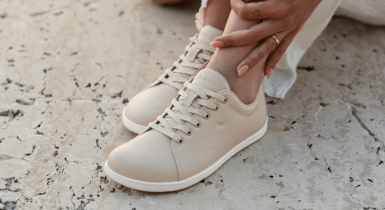
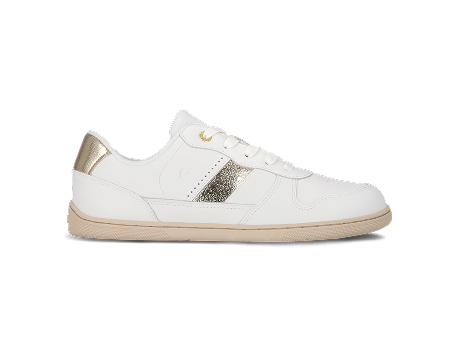
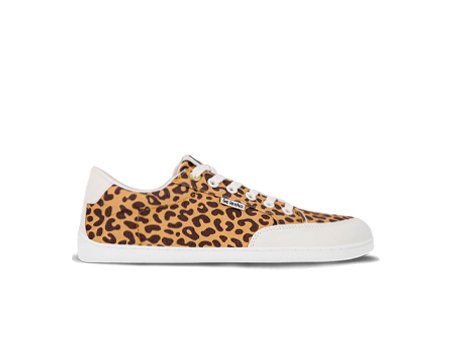
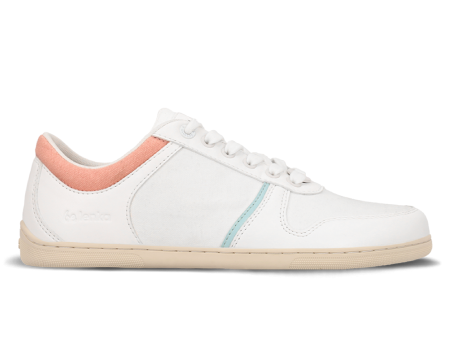
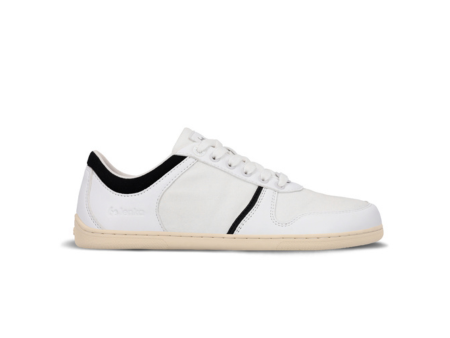
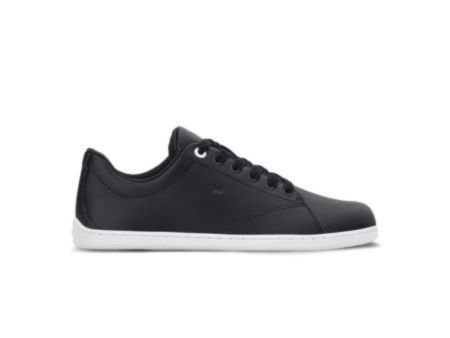
Popular women’s barefoot shoes with a water repellent finish include our timeless Be Lenka Entice Neo. They match any outfit, stay stylish season after season and keep you ready for damp, chilly days.
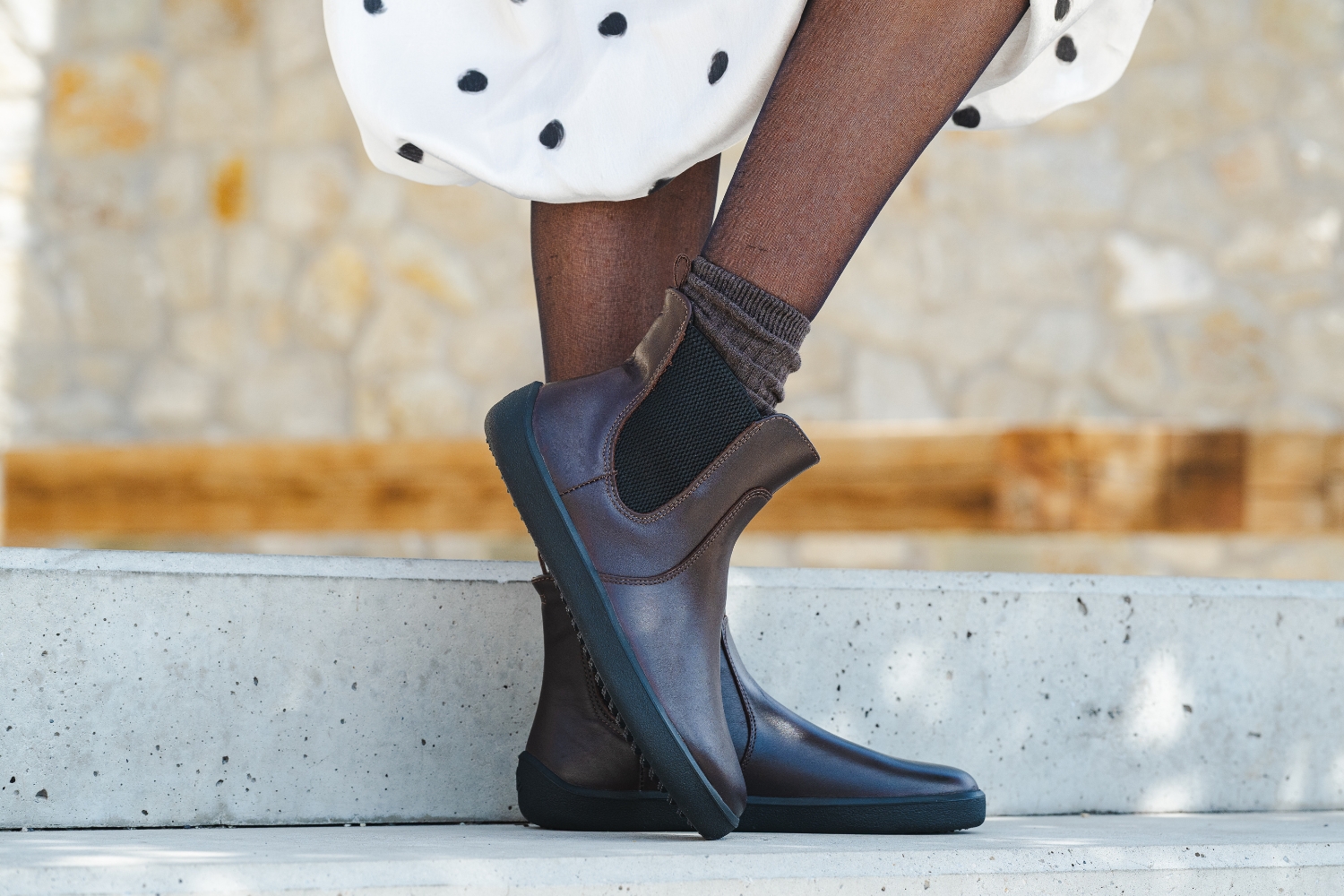
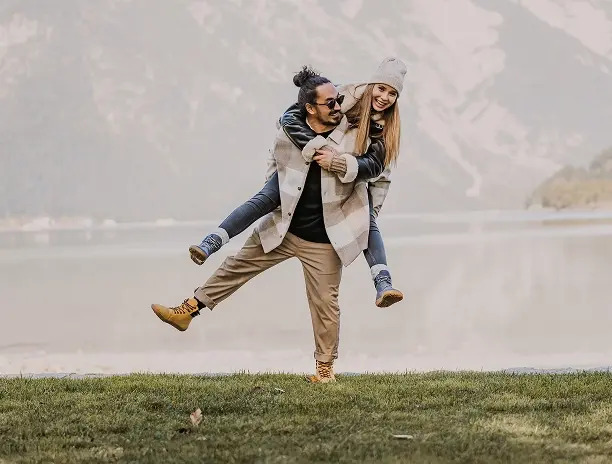
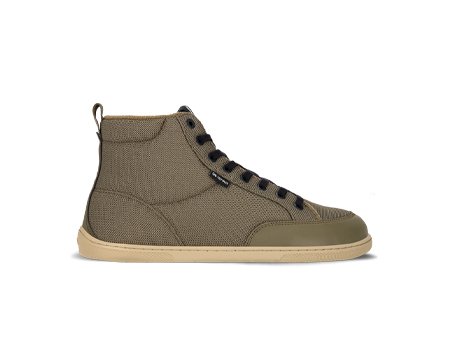
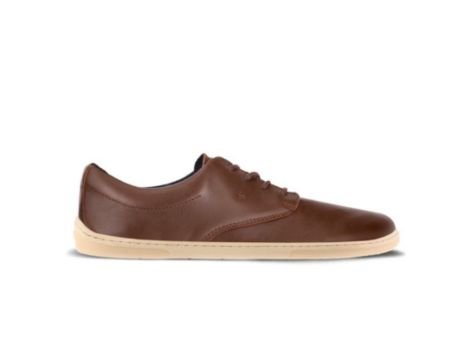
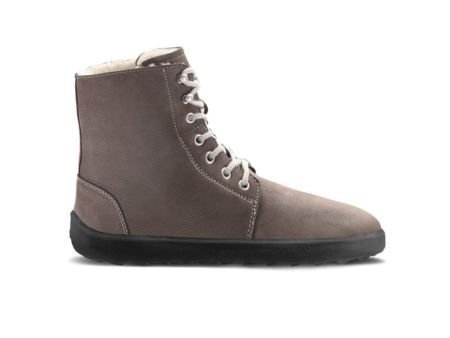
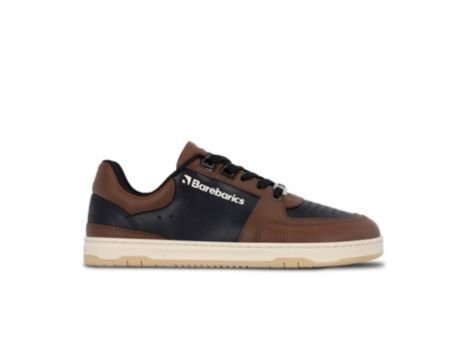
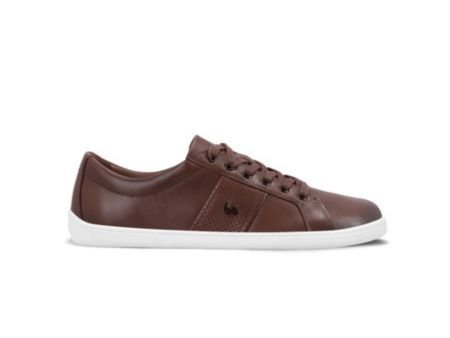
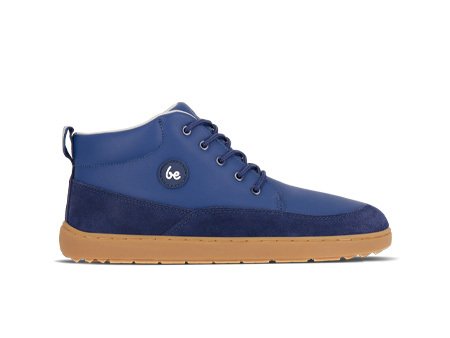
Men’s water repellent shoes should be a dependable partner on rainy days. For city wear, for work or wherever your day takes you. A great example is our standout Be Lenka York, available in stylish colours.

What does a waterproof material mean?
A waterproof material can resist moisture for longer and under more intense conditions. Unlike water repellent finishes, the protection isn’t only on the surface. In barefoot footwear construction, there is a waterproof membrane that prevents water from getting inside. Shoes made from waterproof materials are suitable for more demanding conditions.

What are the benefits of waterproof material?
- reliable protection in heavy rain and on wet surfaces
- ideal for active movement outdoors
- higher performance in harsh weather
When should you choose waterproof material?
- long walks in nature
- walking on wet grass or paths covered with puddles
- rainy and autumn or winter conditions
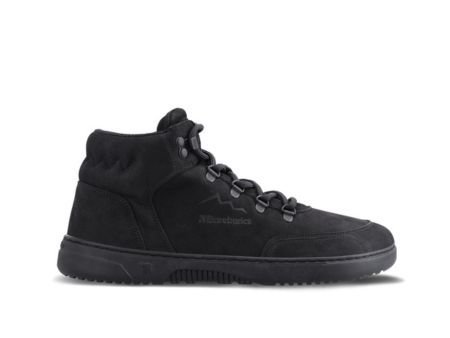
Our most technical waterproof barefoot shoes are ArcticEdge. Inside the shoe you’ll find a waterproof yet breathable membrane and a Primaloft insulation layer that keeps your feet dry and warm. We tested this in laboratory conditions. ArcticEdge keeps your feet warm even at −30 °C. If you’re searching for reliable winter barefoot footwear, ArcticEdge is the pair you can trust.

How do water repellent and waterproof materials differ in barefoot shoes?
Water repellent material offers short term protection by making water bead on the surface and slide off before it can soak in. It’s highly breathable and comfortable for everyday wear, especially in dry or mildly damp conditions. To maintain its performance, regular impregnation is essential.
Waterproof material, on the other hand, provides stronger and longer lasting protection from moisture. Water doesn’t get in as easily because, besides the surface treatment, a special membrane plays a key role. It’s ideal for rainy days, wet grass, forest paths or any active outdoor movement in unpleasant weather.
How to care for barefoot shoes based on the type of protection?
Water repellent barefoot shoes:
- Remove dust and dirt after each wear
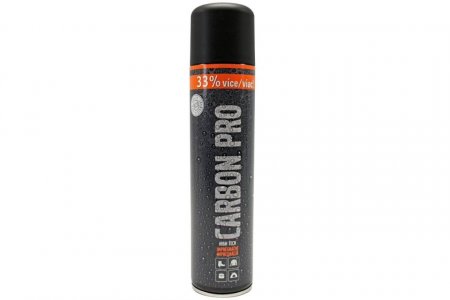
- Apply a spray impregnation regularly
- Avoid storing them in a damp environment
Waterproof barefoot shoes:
- Clean gently without harsh products
- Refresh the impregnation layer from time to time
- Dry at room temperature, never on a radiator

Sources
- Santos, A., Fernandes, C., & Carvalho, M. (2023). Advances in Durable Water Repellent Treatments for Footwear Textiles. Journal of Textile Engineering and Fashion Technology.
- TLee, H., & Park, J. (2022). Breathability and Water Resistance Trade-Offs in Multilayer Footwear Membrane Systems. International Journal of Materials and Product Technology.
- Zhang, Q., Liu, W., & Chen, X. (2024). Hydrophobic Modification of Natural Leather Using Eco-Friendly Coatings. Materials Science Innovations.
Find your perfect size with our guide.
Explore the latest barefoot collection.
Contact us if you need advice.
Is waterproof material completely impermeable?
+ -No. It withstands water for longer, but under extreme or long lasting exposure it may allow moisture to pass through.
Can I use impregnation on waterproof shoes?
+ -Yes, it helps restore the surface protection and prolongs the lifespan of the shoes.
Why are some barefoot shoes less breathable?
+ -Layered waterproof systems naturally reduce breathability compared to single layer leather or textile.
How often should you impregnate water repellent shoes?
+ -About every 2 to 4 weeks, depending on how often you wear them.

Barefoot Boots
York - Navy, Brown & Beige
12 colors
Barefoot Boots
ArcticEdge - Charcoal Black
12 colors
Do you think others should know about this too?
Share it :)